
Understanding Hip Osteoarthritis (OA)
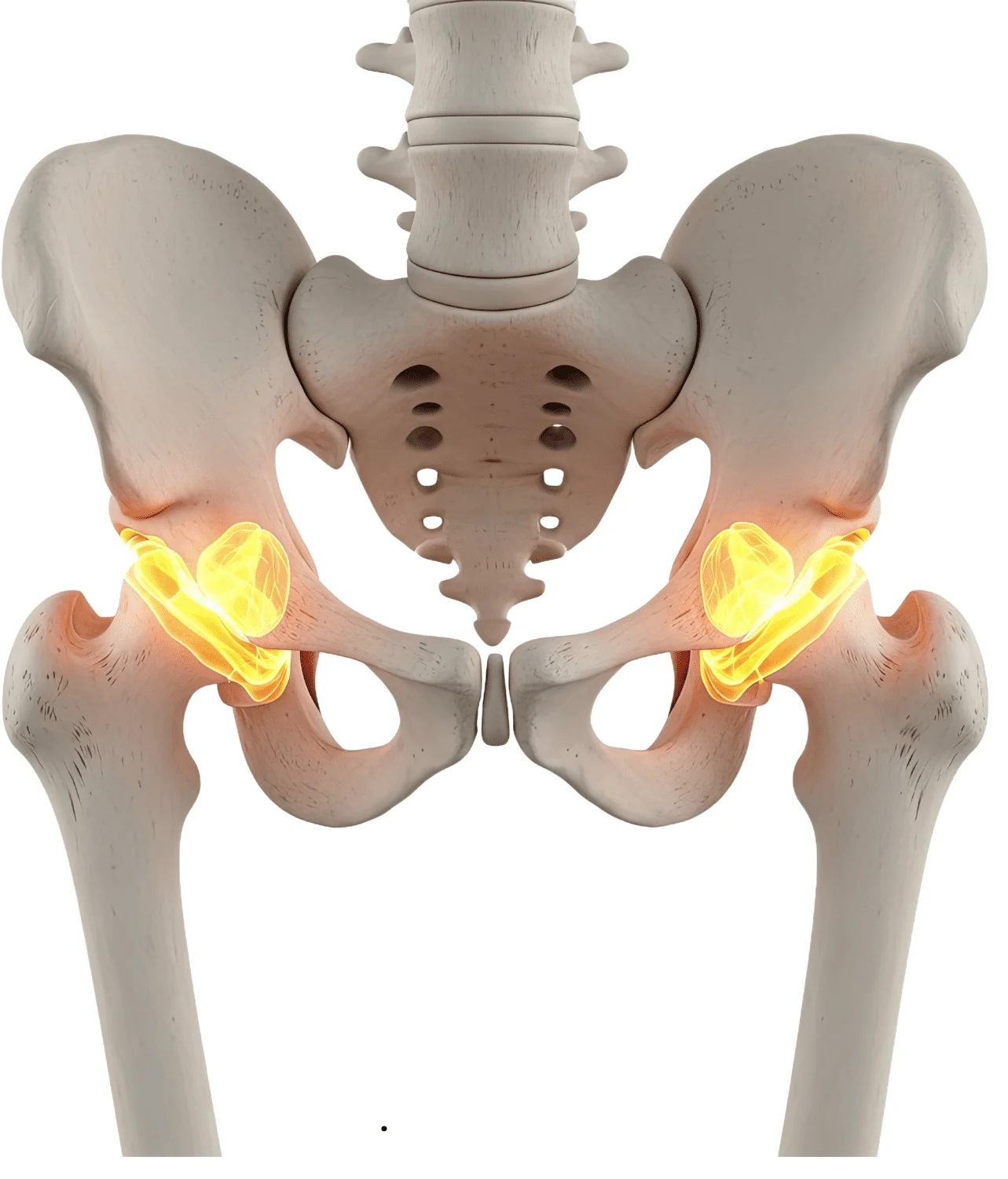
Hip Osteoarthritis (OA) can develop at different ages, not only in later life. Some people can notice signs in their 30’s and 40’s, especially if you have had hip issues like dysplasia, Fermoro-Acetabular Impingement (FAI), Slipped Capital Femoral Epiphysis (SCFE), or participate in high-impact sports. Early intervention and the right care plan can help you stay active and protect your hip joints in the long run.
in the spine to the left or right side.
Physiotherapy for Scoliosis
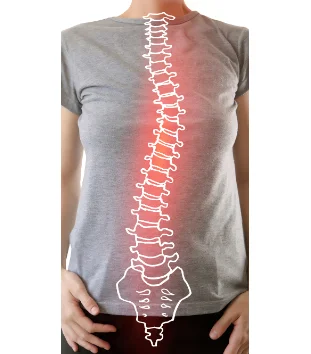
Scoliosis is a musculoskeletal condition that we would treat on a regular basis at Somerton Physiotherapy. Scoliosis is an abnormal curvature of the spine that usually creates an S- or C-Shape
in the spine to the left or right side.
Shoulder Dislocation

Shoulder dislocations are an injury we treat frequently at Somerton Physio. Shoulder dislocations most commonly occur in contact sports such as GAA and Rugby. They often occur because of a direct blow to the shoulder or from falling onto and outstretched hand. Shoulder dislocations can also occur without a traumatic event. These atraumatic dislocations are often a result of underlying factors such as of ligamentous laxity, joint hypermobility or overuse.
I pulled my calf muscle while running, will physiotherapy help?
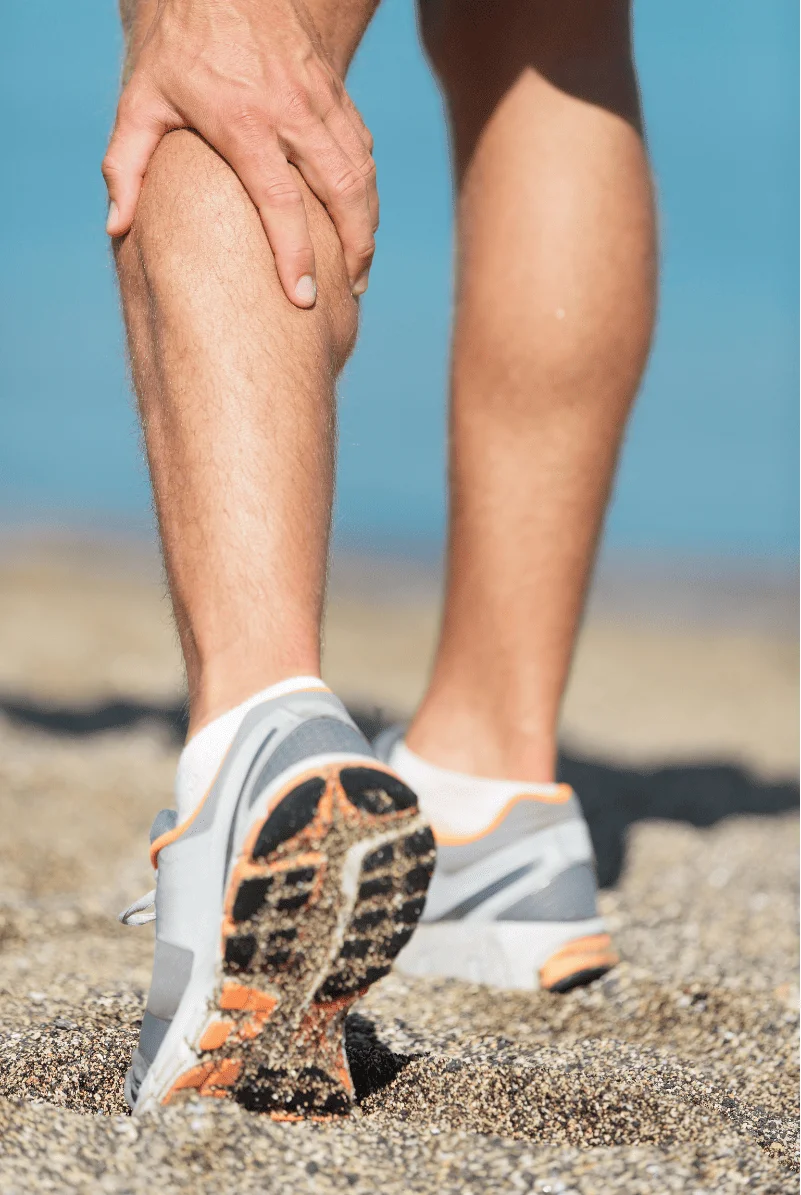
Calf injuries are one of the most common injuries experienced by anyone – from the general population to elite athletes. Whether you are training for a race or jogging casually, a pulled calf muscle can bring your training to a halt.
Cycling Safely: Understanding Cycling Injuries and How to Treat Them
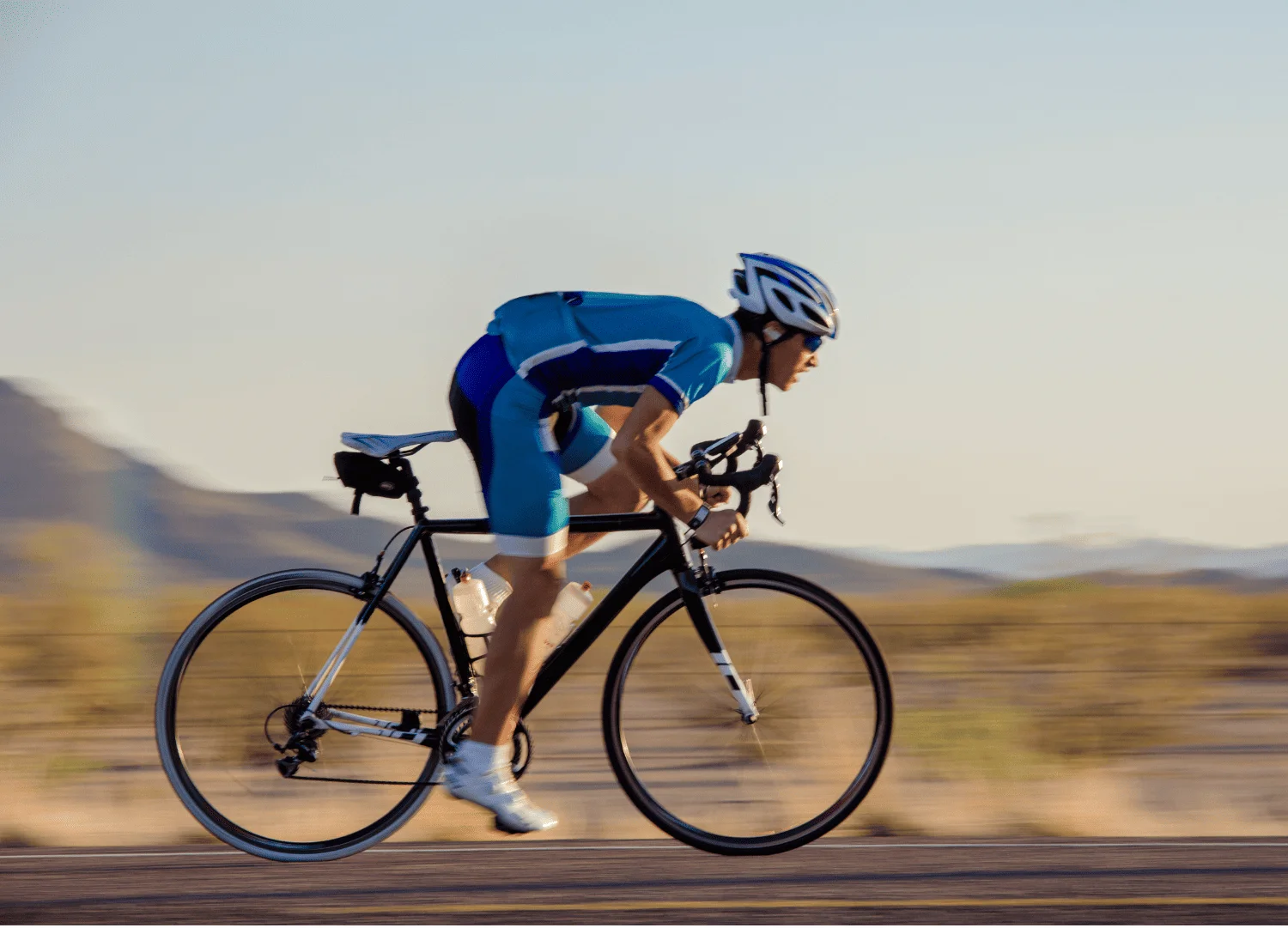
Across the globe, millions of people hop on their bikes every day—whether for fun, fitness, or simply to get from A to B. But cycling isn’t just a mode of transport; Competitive cycling dates back to the inaugural Olympic Games in 1896, and the legendary Tour de France first hit the roads in 1903. Since then, the world of cycling has exploded into a worldwide sport, reaching every continent in the world. Every year millions of euros are spent by people purchasing new bikes and equipment to give them a slightest advantage on their bike in their quest to be the next Roche or Kelly.
VO₂ Max Test: Training Zones Explained
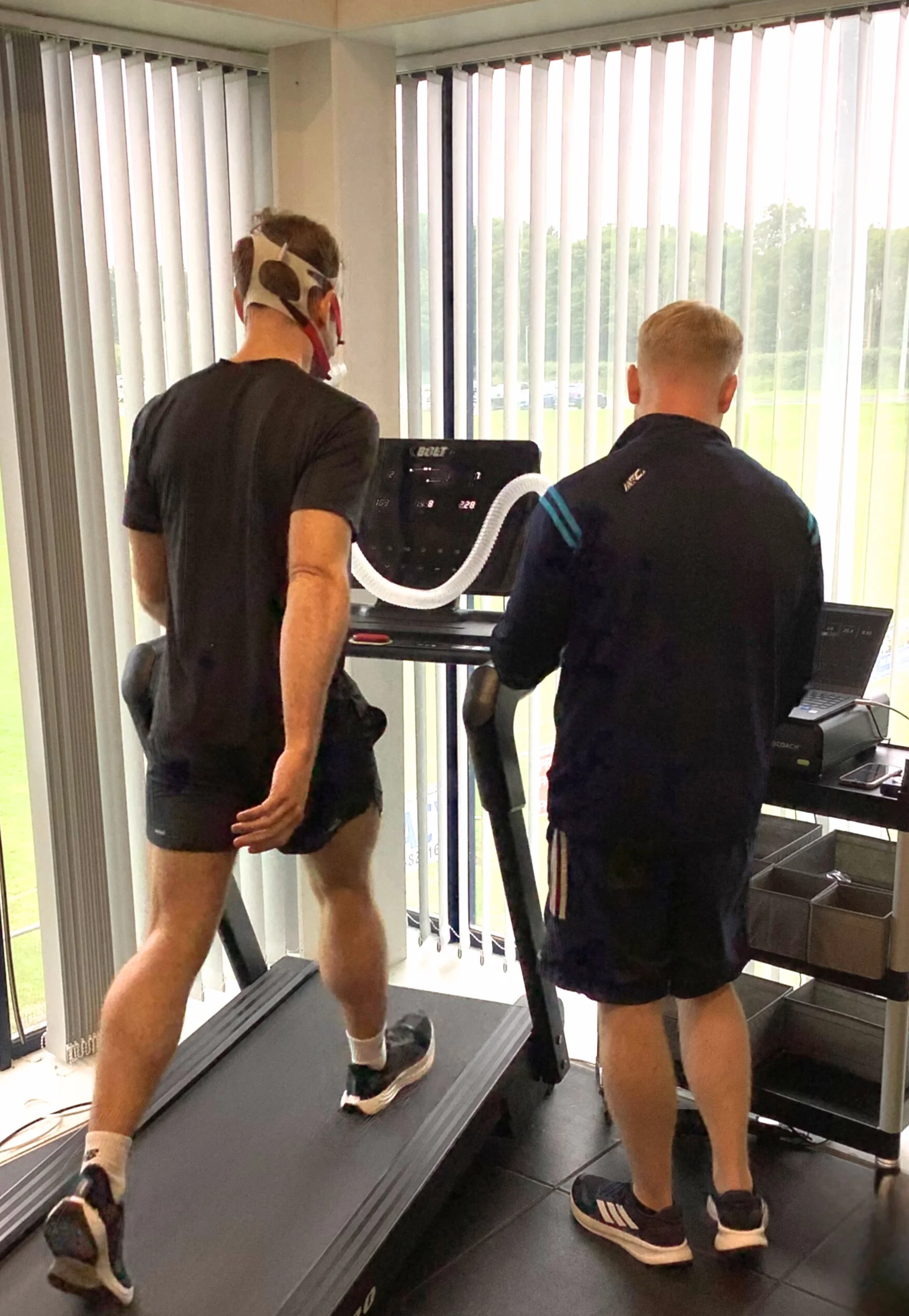
Training Zones Explained: Unlock Your Full Potential
If you want to train smarter, not just harder, understanding your personal training zones is essential. These zones represent specific intensity levels that dictate how your body produces energy from fat and glycogen using the aerobic system.
Simply put: your body performs differently at various levels of effort. By knowing your zones, you can tailor your workouts to trigger the right physiological responses whether your goal is burning fat, building endurance, or increasing speed
Understanding Your VO₂ Max Score: What’s Good for You?
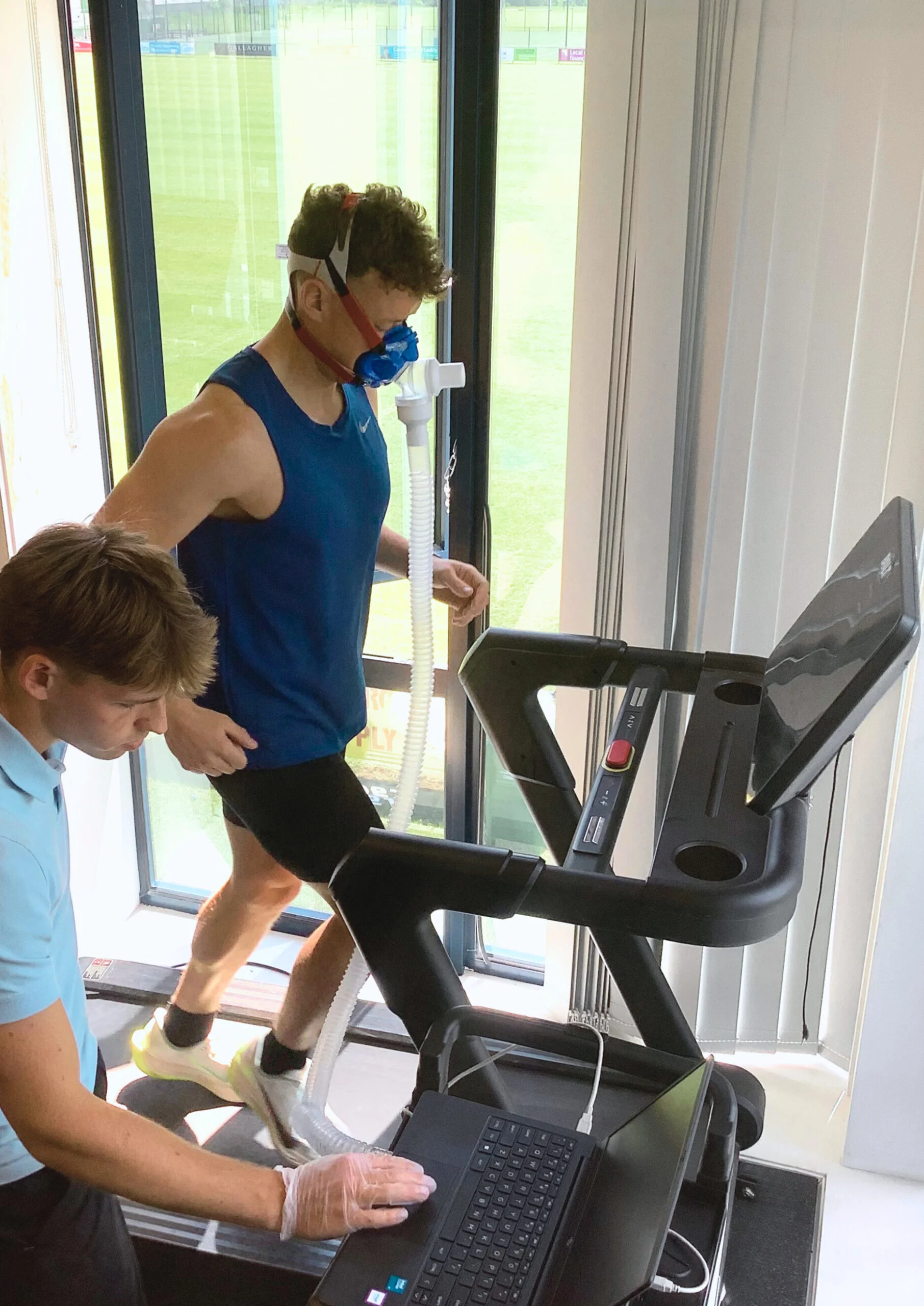
When you receive your VO₂ max result from a proper laboratory test, it’s natural to wonder: Is this a good score? The answer is not as simple as a single number, its meaning depends entirely on your individual characteristics and context.
For example, a VO₂ max of 40 ml/kg/min could be excellent for one person, average for another, and below average for someone else. This is because age, sex, body weight, and even elevation above sea level all influence how your result should be interpreted:
What is V0₂ Max and why does it matter?
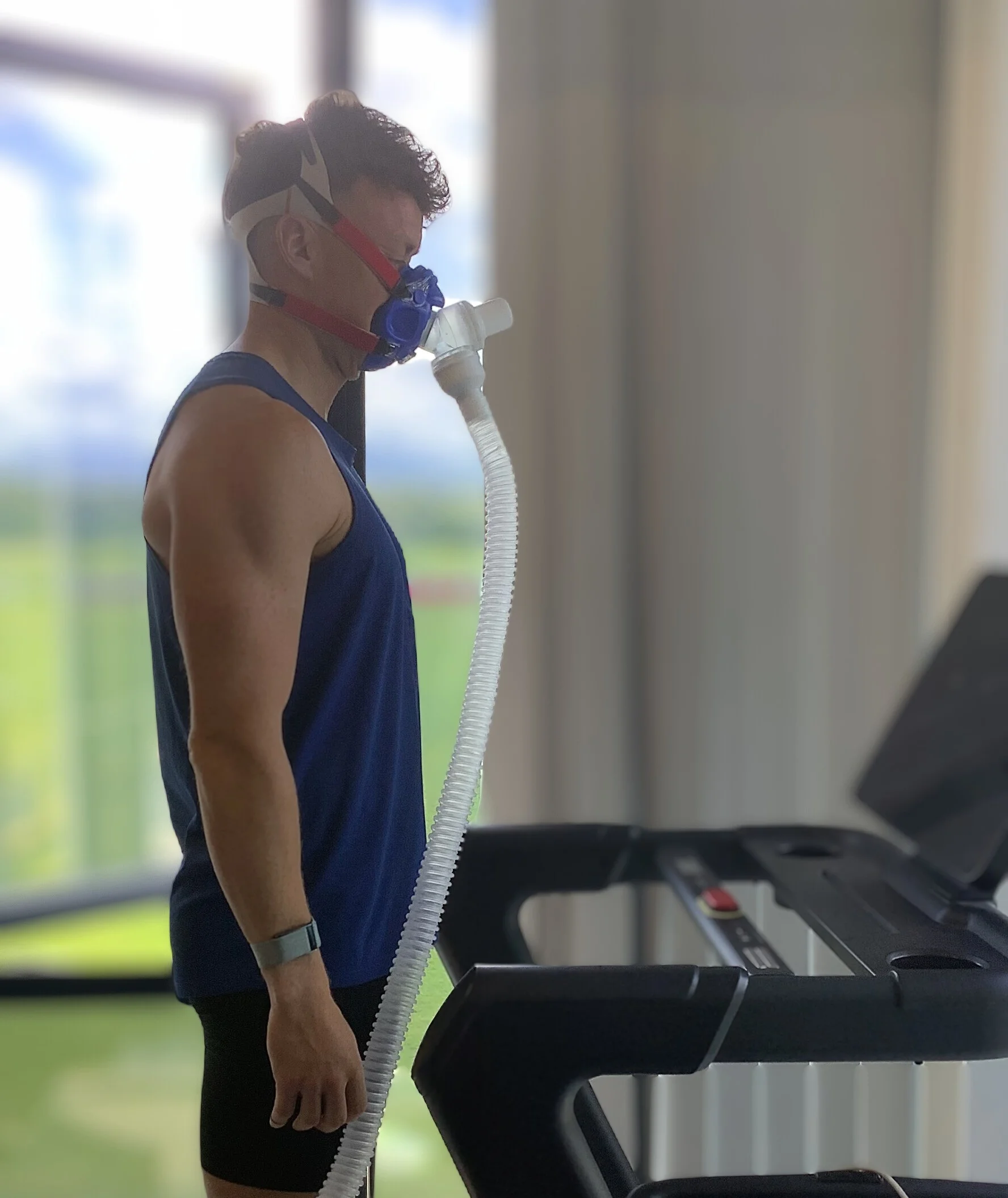
VO₂ max is the maximum (max) volume (V) of oxygen (O₂) your body can use during exercise. It reflects how efficiently your heart, lungs, blood vessels, and muscles work together during physical activity. A higher VO₂ max is associated with better fitness, lower disease risk, and improved longevity.
Can Physio help with our Balance?
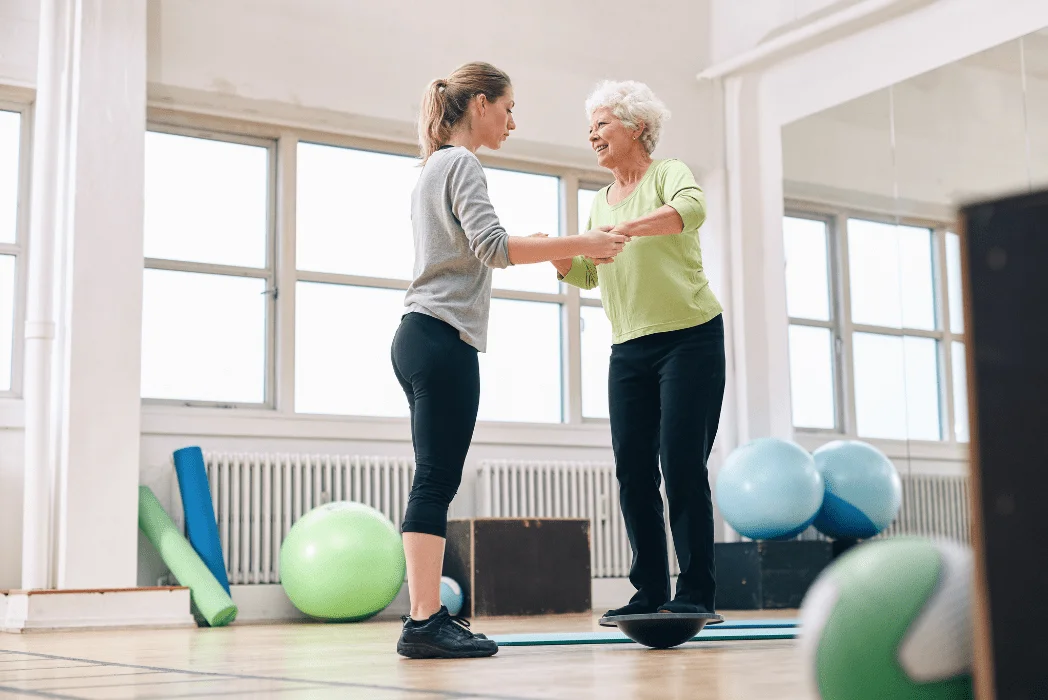
Can Physio help with our Balance? Balance is an extremely important aspect of our lives, I don’t mean our bank balance or the ability to balance 101 things at the same time. I mean balance that prevents us from falling over, allows us to stand on one leg with our eyes closed or if you […]
What are the health benefits of Yoga?
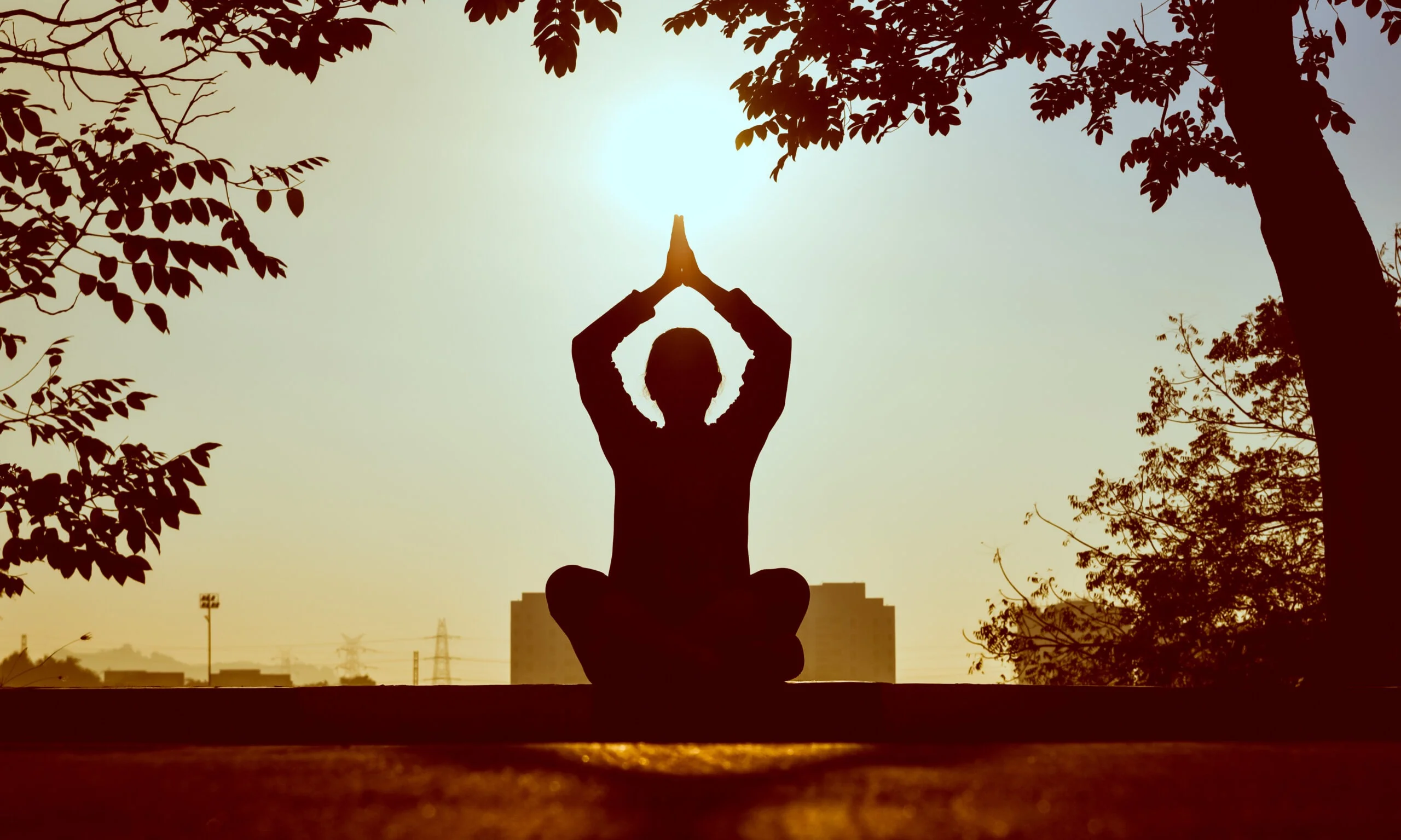
What are the health benefits of Yoga? How can Yoga Help ? Yoga originated in South Asia and while it is now a popular form of exercise the world over, this wasn’t always the case. It is a very old form of exercise that focuses on breathing, strength and flexibility to boost mental and physical […]