
Understanding Total Knee Replacement (TKR)
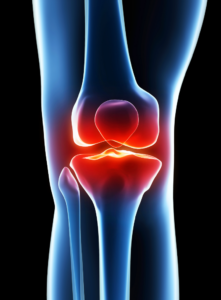
A Total Knee Replacement (TKR) is a common and effective surgery for people experiencing ongoing knee pain, stiffness, and reduced function that has not improved with conservative treatment. While the decision to have surgery can feel overwhelming, understanding what the procedure involves and the importance of rehabilitation can help you feel more confident about the journey ahead.
For most people, a knee replacement is about returning to everyday activities — walking comfortably, managing stairs, sleeping better, and regaining independence.
What Is a Total Knee Replacement?
A Total Knee Replacement is a surgical procedure where the damaged surfaces of the knee joint are replaced with artificial components. This helps reduce pain, improve movement, and restore function.
The procedure typically involves:
- Removing worn cartilage and damaged bone from the knee joint
- Resurfacing the thigh bone and shin bone
- In some cases, resurfacing the kneecap
- Inserting durable metal and plastic components to allow smoother movement
Knee replacements are most commonly performed due to knee osteoarthritis, but may also be required following injury, inflammatory conditions, or long-standing joint problems.
Symptoms That Often Lead to TKR Surgery:

Many people consider a knee replacement when knee pain starts to significantly impact their quality of life. Common symptoms include:
- Ongoing knee pain with walking or standing
- Pain at rest or at night
- Stiffness and reduced knee movement
- Difficulty with stairs, getting up from chairs, or walking longer distances
- Swelling or reduced confidence in the knee
When these symptoms persist despite physiotherapy, exercise, or other treatments, surgery may be recommended by your consultant.
Why Physiotherapy Is Essential After a TKR:
While surgery addresses the joint itself, rehabilitation is what restores movement, strength, and confidence.
Physiotherapy after a Total Knee Replacement focuses on:
- Reducing pain and swelling
- Improving knee movement
- Rebuilding strength around the knee, hip, and lower limb
- Improving balance and walking ability
- Helping you return safely to daily activities
Recovery looks different for everyone. A tailored physiotherapy programme ensures your rehab progresses at the right pace for you, reducing the risk of setbacks and helping you achieve the best possible outcome.
Key Points to Know:
- Some stiffness and discomfort after surgery is normal
- Recovery takes a number of months and varies from person to person
- Exercise is essential, but guidance matters
- Ongoing physio support can significantly improve confidence and function
How Somerton Physio Can Help:
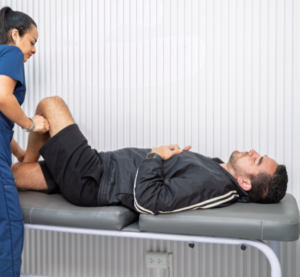
If you are preparing for a Total Knee Replacement or recovering from surgery, our experienced physiotherapists can guide you through every stage of your rehabilitation. We will assess your movement, strength, and goals, and design a personalised rehab programme to support your recovery and long-term knee health.
You can book an appointment at our Blanchardstown Physiotherapy Clinic, Castleknock Physiotherapy Clinic, or Old Bawn Physiotherapy Clinic through our website www.somertonphysio.ie, email us at [email protected], or call us on 01 9069566.
Please do not hesitate to contact us if you have any questions.
You can also follow us on our Facebook page and Instagram for more updates