
Sever’s Disease: What Is It and How Can Physiotherapy Help?

Sever’s disease, also known as calcaneal apophysitis, is a common cause of heel pain in children and adolescents. It usually occurs during periods of growth and is particularly common in young people who take part in sports involving lots of running and jumping.
The heel bone is still developing during childhood. The calf muscles attach to the heel through the Achilles tendon, and during a growth spurt the bones can grow faster than the muscles and tendons. This can increase the stress placed on the growth plate at the back of the heel, leading to pain and irritation.
Sever’s disease is not usually a serious condition and does not cause permanent damage to the heel. Symptoms generally settle as growth slows and the growth plate matures.
Who Can Develop Sever’s Disease?
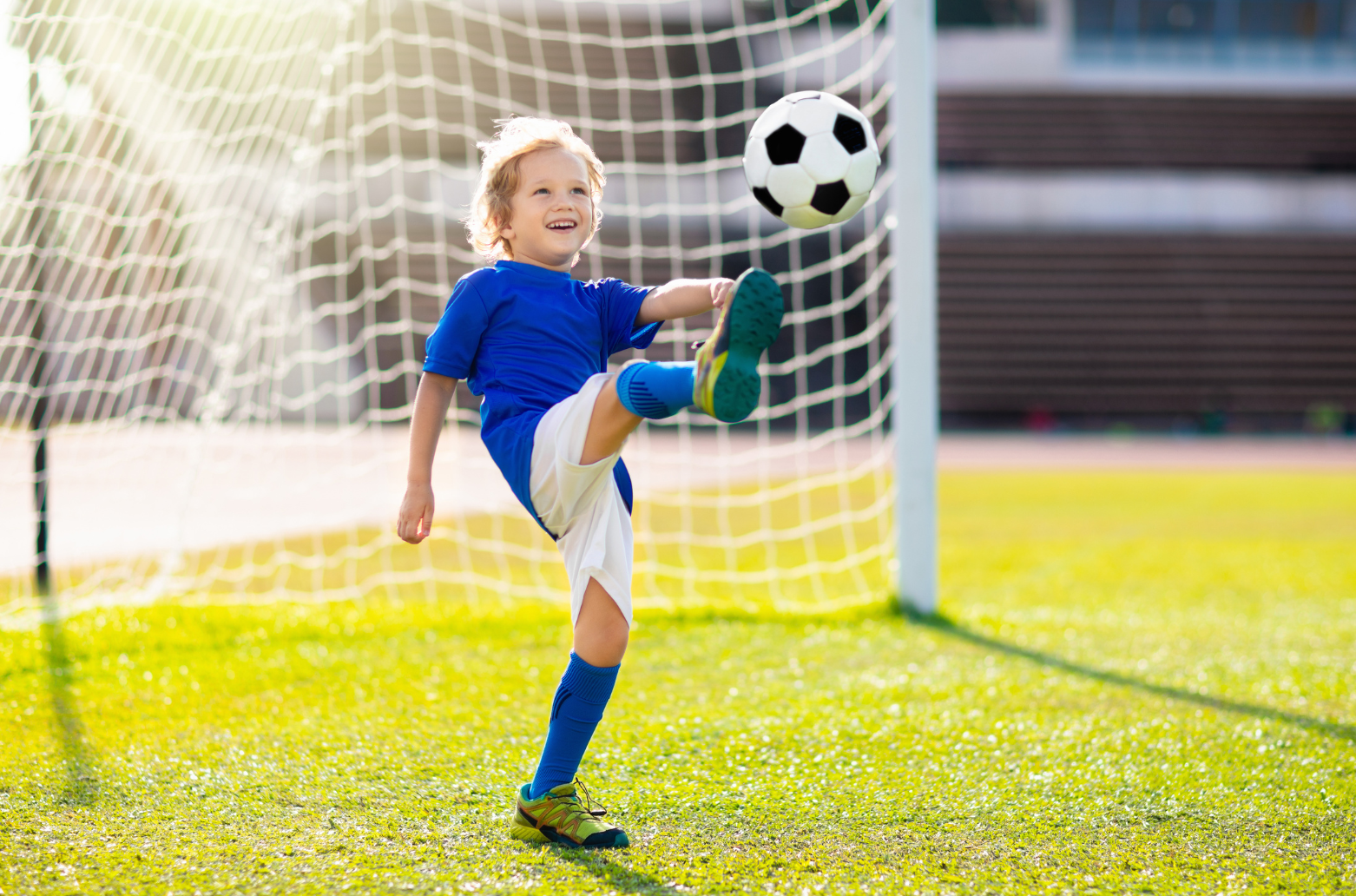
Sever’s disease is most commonly seen in children and adolescents during a growth spurt, particularly those who participate regularly in high-impact sports.
Activities such as:
- Football
- Running
- Basketball
- Athletics
- Gymnastics
- Other sports involving repeated jumping and running can aggravate symptoms. Sever’s can affect one or both heels.
What Are the Symptoms of Sever’s Disease?
The most common symptom is pain around the back or bottom of the heel, particularly during or after physical activity.
Other symptoms can include:
- Pain that gets worse with running or jumping
- Tenderness when the heel is squeezed
- Tight calf muscles
- Swelling around the heel in some cases
- Limping or walking on the toes if the pain is severe
- Difficulty taking part in normal sporting activities
If your child has persistent pain at rest, significant night pain, fever, marked swelling/redness, or has had a significant injury, they should be assessed by an appropriate healthcare professional as there may be another cause of heel pain.

How Is Sever’s Disease Treated?
Treatment is generally focused on reducing pain and managing the amount of stress placed on the heel, rather than stopping all physical activity.
Your physiotherapist may recommend:
- Temporarily reducing running and jumping activities
- Continuing with lower-impact activities such as swimming or cycling if comfortable
- Calf stretching to improve flexibility
- Gradually building strength and tolerance to activity
- Supportive footwear
- Heel cups or shock-absorbing insoles where appropriate
- A gradual return to sport once symptoms have settled
It is important not to completely stop activity unnecessarily. The aim is to find a level of activity that the child can tolerate without significantly aggravating their symptoms, before gradually increasing their activity again.
The Role of Physiotherapy
Physiotherapy can help children and parents understand what is causing the heel pain and how to manage it while they continue to grow.
A physiotherapy assessment may look at:
- Calf muscle flexibility
- Strength around the ankle and lower limb
- Walking and running mechanics
- Current sporting activities and training load
- Footwear
- Pain levels and how symptoms respond to activity
Your physiotherapist can then provide an individualised programme to help manage symptoms and safely return to sport.
What to Expect During Recovery
Initial stages:
The first aim is to settle the pain and reduce irritation around the heel.
This may involve temporarily reducing activities that cause significant pain, particularly running and jumping. Lower-impact activities such as swimming or cycling may be suitable alternatives if they are comfortable. Ice for 10–15 minutes after activity may also help with pain and swelling.
As symptoms improve:
Once pain has reduced, exercises can be progressed to improve calf flexibility and lower-limb strength.
Activity levels can then be gradually increased, while monitoring how the heel responds.
Return to sport:
Returning to sport should be gradual rather than going straight back to full training.
A young athlete may begin with lower-impact training and gradually increase running, jumping and change-of-direction activities as their symptoms allow.
If pain significantly increases following an increase in activity, it may be necessary to reduce the training load again and allow the heel more time to settle.
General Exercise Tips for Sever’s Disease
Exercise should be comfortable and gradually progressed. Your physiotherapist can advise on the most appropriate exercises for your child.
Simple strategies may include:
- Gentle calf stretching
- Lower-limb strengthening exercises
- Swimming or cycling to maintain fitness while reducing impact
- Gradually increasing walking and running
- Wearing supportive, well-fitting footwear
- Using a heel cup or shock-absorbing insert if recommended
It is important that stretching and strengthening exercises do not significantly increase heel pain.
How Long Does Sever’s Disease Last?
Unfortunately, there is no exact recovery time for Sever’s disease. Symptoms can come and go during periods of growth, particularly if the child increases their sporting activity. In most cases, the condition settles as the child finishes growing and the growth plate matures. The good news is that Sever’s disease does not usually cause long-term problems, and children can return to their normal activities once their symptoms have settled.
If your child is experiencing heel pain that is affecting their ability to walk, exercise or participate in sport, a physiotherapy assessment can help identify the likely cause of their symptoms and provide an appropriate management plan. If you need Physiotherapy for Sever’s disease, you can book in to see one of our experienced physios who will assess your child and design a rehabilitation plan tailored to their needs.
You can book an appointment at our Blanchardstown Physiotherapy Clinic, our Castleknock Physiotherapy Clinic or our Old Bawn Physiotherapy Clinic. Through our website www.somertonphysio.ie, email us at [email protected] or call us on 01 9069566.
Please do not hesitate to contact us if you have any questions.
You can follow us on our Facebook page and Instagram for more updates.
