
Hamstring Injuries: Why Strength Alone Isn't Enough
Hamstring injuries are among the most common soft tissue injuries seen in sport—and they’re not just a problem for elite athletes. Whether you’re a weekend runner, GAA player, footballer, rugby player or sprinter, a hamstring strain can be frustrating, time-consuming and unfortunately, prone to recurring.
Recent research has changed our understanding of why these injuries happen and, more importantly, how we can better prevent them.
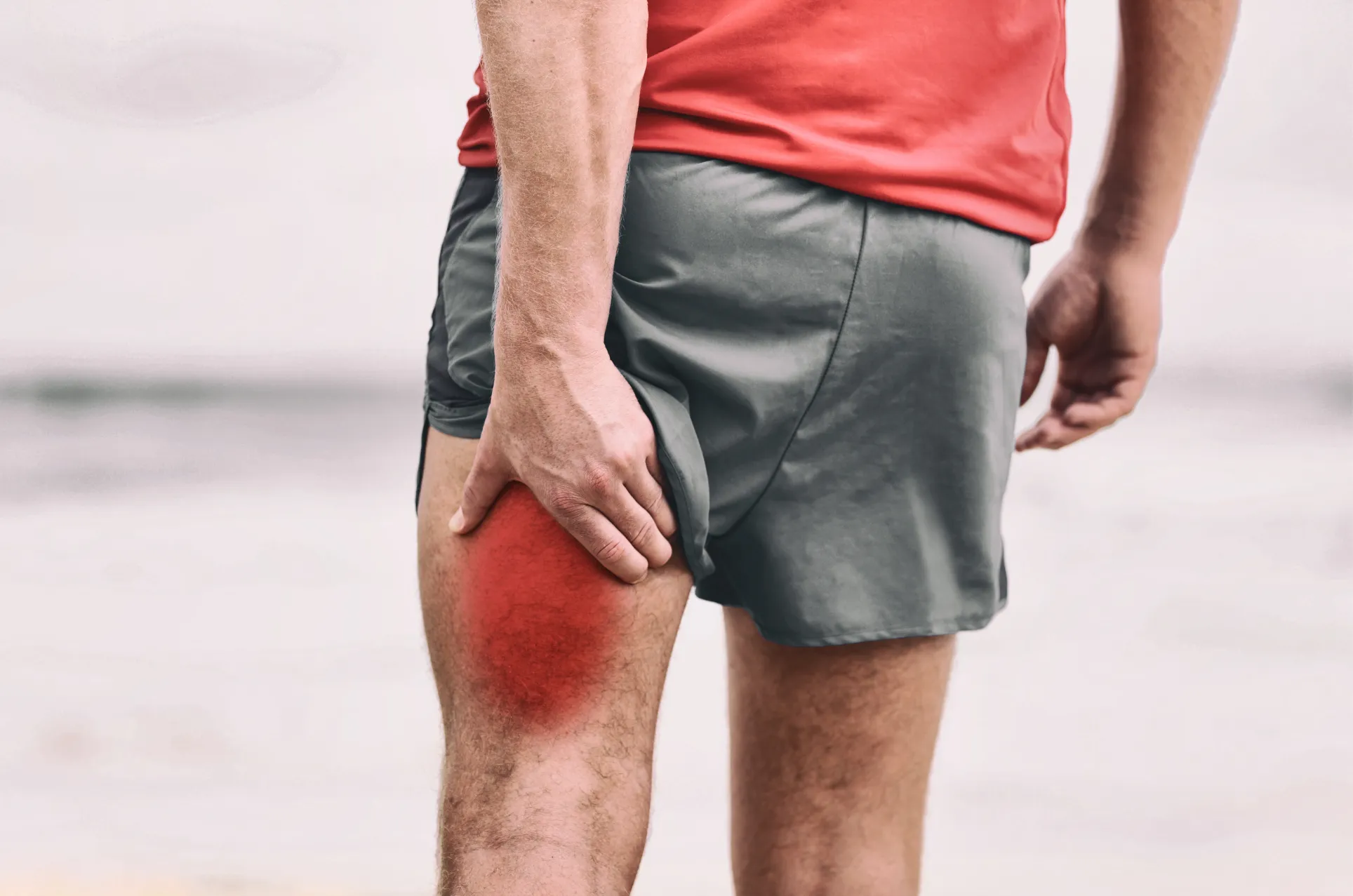
Hamstring Injuries Are More Common Than You Think
Hamstring injuries now account for almost one-quarter of all injuries in professional football, and unlike many other sports injuries, their incidence has remained stubbornly high over the past two decades. They also affect recreational athletes, with injuries occurring during sport, exercise and even everyday activities.
One of the biggest concerns is recurrence. If you’ve previously strained your hamstring, you’re between two and six times more likely to suffer another injury, particularly during the first few weeks after returning to sport.
Why Do Hamstrings Get Injured?
The hamstrings work across both the hip and knee, helping to extend the hip while bending the knee. During sprinting, they have one of the most demanding jobs in the body.
Most sprint-related hamstring injuries occur during the late swing phase of running, just before your foot contacts the ground. At this point the hamstrings are:
- Lengthening rapidly
- Producing very high forces
- Slowing the forward movement of the lower leg
- Preparing the body for ground contact
If the muscles cannot tolerate these forces, the tissue becomes overloaded and injury can occur.
Not all hamstring injuries happen during sprinting, however. Some occur during movements involving extreme hip flexion (such as kicking or stretching), while others develop gradually through overuse, leading to proximal hamstring tendinopathy.
More Than Just Strength
Traditionally, rehabilitation focused on making the hamstrings stronger. While strength remains important, we now know that it is only one piece of the puzzle.
Several factors contribute to injury risk, including:
- Previous hamstring injury
- Reduced eccentric hamstring strength
- Poor lumbopelvic and trunk control
- Limited hip mobility
- Weakness elsewhere in the kinetic chain, including the glutes and calves
- Running mechanics
- Inadequate exposure to high-speed running
The goal isn’t simply stronger hamstrings—it’s better movement and improved capacity to tolerate the demands of your sport.
The Importance of Rate of Force Development
One of the biggest advances in sports science is understanding the importance of Rate of Force Development (RFD).
RFD describes how quickly a muscle can generate force—not just how much force it can produce.
This matters because sprinting happens incredibly quickly. During acceleration, the foot is on the ground for only fractions of a second, meaning your hamstrings don’t have time to gradually build force. They need to switch on almost instantly.
Improving RFD can help athletes:
- Accelerate faster
- Improve sprint performance
- Stabilise the knee during rapid changes of direction
- Reduce the risk of hamstring strains
An athlete may have excellent gym strength but still struggle if they cannot produce force quickly enough during sport.
Is the Nordic Hamstring Exercise Still the Gold Standard?
For years, the Nordic Hamstring Exercise has been considered the benchmark for hamstring injury prevention—and for good reason. It has consistently been shown to reduce injury rates by improving eccentric strength.
However, newer research suggests that it shouldn’t be the only exercise in a rehabilitation programme.
Recent studies comparing different exercises found that movements such as the Romanian Deadlift (RDL) may expose the hamstrings to even greater forces and muscle stretch than Nordic curls. Sprinting itself also places unique demands on the hamstrings that no gym exercise can fully replicate.
Rather than replacing one exercise with another, the evidence suggests that the best rehabilitation programmes include a combination of:
- Heavy strength training
- Eccentric loading
- Single-leg exercises
- Running drills
- Progressive sprint exposure

Sprinting Is Part of Rehabilitation
One of the biggest changes in modern hamstring rehabilitation is recognising that athletes need to sprint if they want to return safely to sprinting sports.
Research consistently shows that maximal sprinting produces some of the highest hamstring forces experienced during athletic movement. If these forces aren’t gradually reintroduced during rehabilitation, the athlete may return to competition underprepared.
A well-designed programme gradually increases:
- Running speed
- Sprint distance
- Accelerations and decelerations
- Change-of-direction drills
- Sport-specific movement patterns
This progression helps restore confidence while preparing the muscles and tendons for the demands they’ll face during competition.
Every Athlete Is Different
Numbers from strength tests tell us part of the story, but they never tell the whole story.
Two athletes may produce identical strength scores while moving very differently. Following injury, the body often develops compensation strategies that can mask underlying weaknesses.
This is why rehabilitation should include:
- Movement assessment
- Running analysis
- Strength testing
- Functional performance testing
- Individualised exercise prescription
Treating the athlete—not just the injury—produces the best outcomes.

Key Takeaways
Hamstring injuries are complex, but rehabilitation doesn’t have to be.
Current evidence suggests successful rehabilitation should include:
- Progressive strength training
- Eccentric hamstring exercises
- Sprint exposure
- Running mechanics assessment
- Hip, trunk and glute strengthening
- Gradual return to sport based on objective testing
There is no single “magic exercise” that prevents hamstring injuries. Instead, the best results come from combining evidence-based strengthening with progressive sprinting and individualised rehabilitation.
If you’re recovering from a hamstring injury—or want to reduce your risk of one—working with a physiotherapist who understands both rehabilitation and performance can help you return to sport stronger, faster and with greater confidence.
You can book an appointment at our Blanchardstown, Castleknock, or Old Bawn Clinics via our website www.somertonphysio.ie , email [email protected] or call us on 019069566
Follow us on Facebook and Instagram for more tips on injury prevention.
Please do not hesitate to contact us if you have any questions.
