
How Pilates Can Help with Low Back Pain

Low back pain is one of the most common injuries we treat at Somerton Physio. Low back pain can affect people of all ages and activity levels. There are many factors that can contribute to low back pain such as long hours sitting at a desk, stress, or simply everyday life. Ongoing back pain can impact confidence, movement, sleep, and overall wellbeing.
One form of exercise that can help in managing back pain is Pilates.
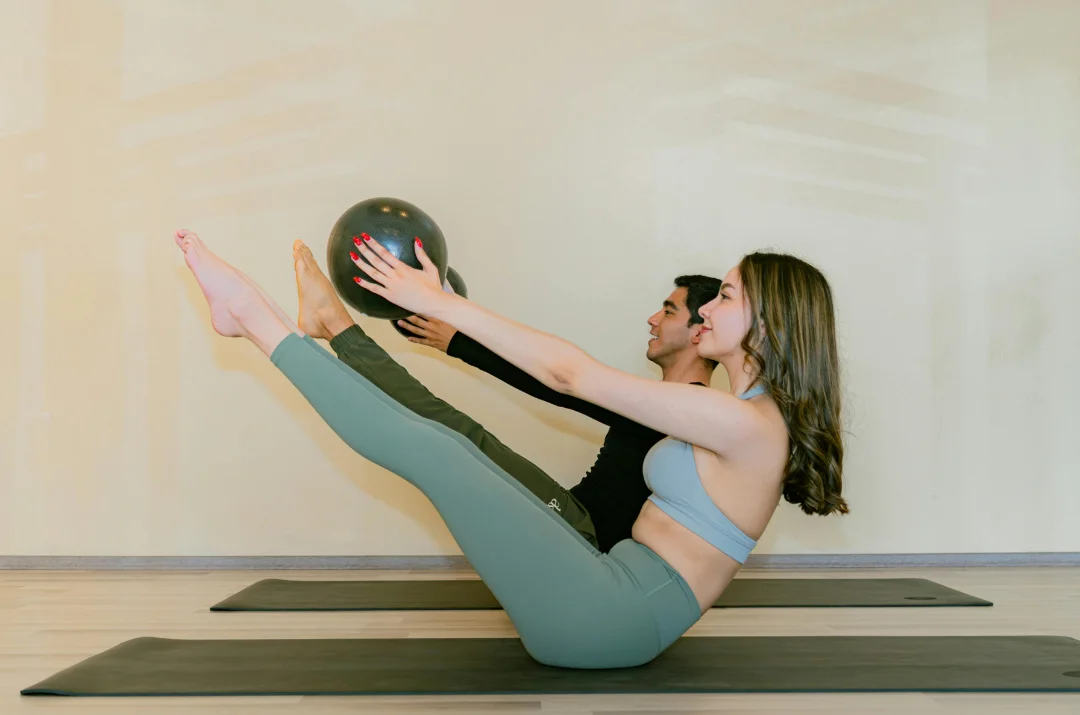
What is Pilates?
Pilates is a form of exercise that focuses on controlled movement, breathing, strength, flexibility, and body awareness. It can be adapted to suit different fitness levels and is often used in rehabilitation settings as well as general fitness classes.
Pilates emphasises smooth, controlled movement and can help people gradually regain confidence in moving again.
How Can Pilates Help Low Back Pain?
Research suggests Pilates can help reduce pain and improve function in people with persistent low back pain.
Some of the potential benefits include:
- Improved Strength and Support
Pilates can help improve strength and endurance around the trunk, hips, and pelvis. This may help people feel more supported and capable during everyday activities.
- Better Movement Confidence
Many people with back pain become fearful of certain movements such as bending, twisting, or lifting. Pilates allows movements to be explored gradually and in a controlled way, helping to rebuild confidence.
- Reduced Tension and Guarding
When people experience pain, they often tighten or brace muscles automatically. Over time, this can lead to stiffness and reduced movement. Pilates encourages relaxed, flowing movement and breathing, which may help reduce unnecessary tension.
- Improved Flexibility and Mobility
Gentle movement and stretching can help improve overall mobility and reduce feelings of stiffness.
- Increased Body Awareness
Pilates encourages people to become more aware of how they move and breathe. This can help improve coordination and movement control without needing to focus on “perfect posture.”

Is Pilates About Core Strength?
Pilates is often associated with “core strengthening,” and strengthening the muscles around the trunk can certainly be helpful.
However, modern research suggests the benefits of Pilates are likely about more than simply activating deep core muscles. Improvements in confidence, movement, physical activity levels, and reduced fear around movement may all play an important role in recovery.
Pilates may help people trust their backs again.
Does Posture Matter?
Many people are told their pain is caused by “bad posture,” but back pain is usually much more complex than this.
There is no single perfect posture, and most people naturally move in different ways throughout the day. Rather than trying to sit or stand perfectly all the time, it is often more helpful to stay active, move regularly, and build confidence in movement.
“Overall, Pilates can be a valuable way to improve strength, flexibility, movement confidence, and overall wellbeing”
Is Pilates for Everyone?
Pilates can be adapted for many different people and fitness levels, from complete beginners to experienced exercisers. It may be especially useful for people who:
- Feel stiff or tense
- Have become less active due to pain
- Feel nervous about movement or exercise
- Want a gentle but effective form of strengthening
Overall, Pilates can be a valuable way to improve strength, flexibility, movement confidence, and overall wellbeing. For many people with back pain, recovery is not just about getting stronger, it is also about feeling safe and confident moving again.
When appropriately guided, Pilates can help people return to everyday activities with greater ease, less fear, and improved confidence in their bodies.
To find out more about our Pilates classes please read here. If you would like to book in for our Pilates classes you can do so through our website www.somertonphysio.ie, email us at [email protected], or you can call us on 01 9069566.
Please do not hesitate to contact us if you have any questions.
You can also follow us on our Facebook page and Instagram for more updates
